
What You Actually Do All Day on a San Juan Islands Sailing Charter
One of the most common questions people have before booking a sailing trip is simple: what do you actually do all day?
It’s a fair question, especially if you’ve never spent multiple days on the water. Without a clear picture, it’s easy to assume you’ll either be constantly busy or not have enough to do.
The reality is somewhere in between. A San Juan Islands sailing charter experience isn’t built around a packed schedule or a list of activities. It’s built around a rhythm that balances movement, downtime, and time outside.
Here’s what that actually looks like.
Mornings Start Quiet
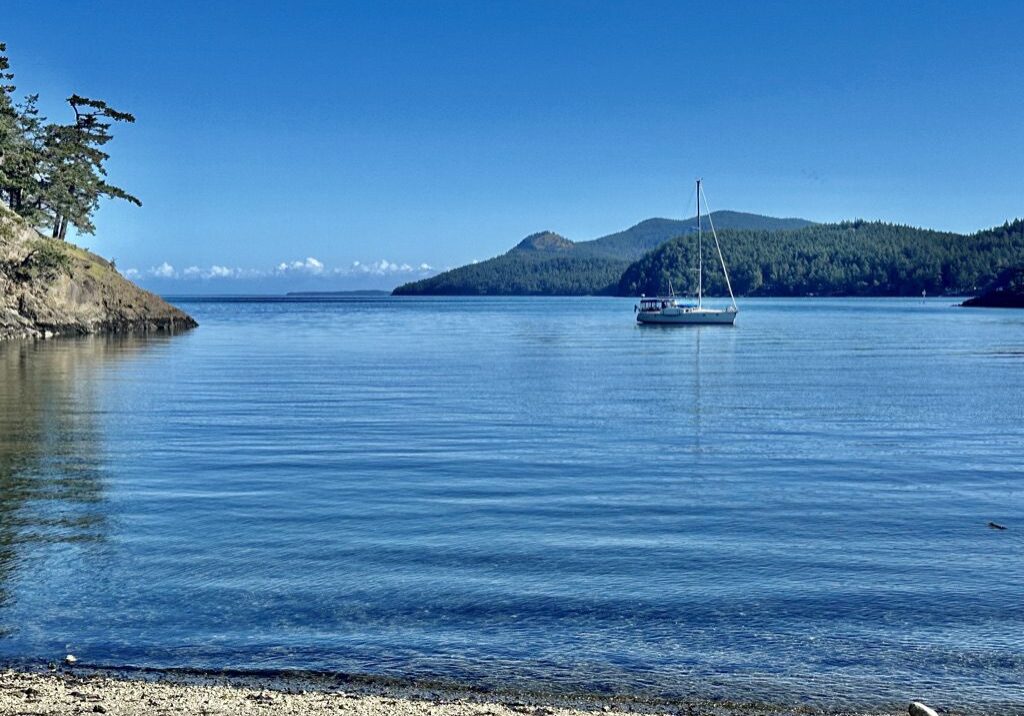
Most days begin slowly. The boat is usually anchored in a calm bay, and the water is often still. Light comes up gradually, and the atmosphere is quiet in a way that’s hard to replicate on land.
There’s no rush to get moving. Coffee is ready when you are, and breakfast follows at a comfortable pace. Some guests stay on deck, others take their time waking up, but there’s no fixed schedule driving the morning.
This is one of the first things people notice. The day doesn’t start with urgency—it starts with space.
Getting Underway
Late morning or early afternoon is typically when you move to the next destination. Depending on conditions, that means sailing, motoring, or a combination of both.
This is when you feel the motion of the boat most clearly. The shoreline shifts, the islands open up, and you settle into being underway.
You can be as involved or as hands-off as you want. Some guests enjoy asking questions or taking the helm for a stretch. Others prefer to sit back and watch the landscape pass by.
Either way, you’re not managing anything. Captain Scott handles navigation, route decisions, and safety, so your focus stays on the experience itself.
If you’d like to see the yacht you’ll be aboard, visit:
https://nwsailing.com/the-boat/

Time on the Water
Being underway is often the highlight of the day. You’re moving through open water, passing between islands, and watching for wildlife along the way.
It’s common to see seals, porpoises, or eagles during this part of the day. Sometimes whales appear, sometimes they don’t, but there’s always something to watch.
There’s also a physical aspect to sailing that’s hard to describe until you experience it. The motion is steady but not constant. The sound of water against the hull becomes part of the background. Over time, it creates a sense of calm rather than distraction.
Lunch is usually served somewhere in this window, either underway or shortly after you arrive at your next stop.
Afternoons at Anchor
By mid to late afternoon, you’re typically settled into a new anchorage. This is where the pace shifts again.
Some guests take advantage of the water. Paddleboarding is a common option, especially in calm bays. Others go ashore for a short walk or explore the shoreline by dinghy.
Just as often, people stay onboard. Reading, relaxing, or simply sitting on deck becomes the activity.
This is one of the differences between a sailing charter and other types of travel. You’re not trying to fill every hour. The environment itself is enough.
Explore how these trips are structured here:
https://nwsailing.com/san-juans-cruises/
Dinner and Evenings
Evenings are consistently one of the most memorable parts of the trip.
Dinner is prepared onboard and served once the boat is settled. The timing is natural—there’s no need to rush to a reservation or coordinate transportation. You’re already where you need to be.
The setting changes each night. One evening might be in a quiet bay surrounded by forest. Another might include distant views of other islands or open water.
After dinner, the pace slows even further. Sunsets in the San Juan Islands are long and gradual, especially in the summer. It’s common to stay on deck as the light fades, then eventually move inside or turn in for the night.
There’s no nightlife in the traditional sense, but that’s part of the appeal.

The Balance of Activity and Downtime
What stands out most over the course of several days is the balance.
You’re not constantly moving, but you’re also not stationary. You’re not over-scheduled, but you’re also not wondering what to do next.
Each day includes:
- Time underway
- Time at anchor
- Time to explore
- Time to do nothing
That balance is intentional. It allows the experience to feel full without feeling busy.
What You Don’t Have to Think About
A big part of what shapes the day is what you’re not responsible for.
You don’t plan routes. You don’t monitor weather. You don’t cook meals or clean up after them. You don’t coordinate logistics between destinations.
All of that is handled for you.
This removes the friction that often comes with travel and replaces it with something simpler. You show up, settle in, and let the experience unfold.
If you have questions about what’s included, you can review them here:
https://nwsailing.com/faq-san-juans-sailing/
By the End of the Trip
After a few days, the rhythm becomes familiar.
You wake up without an alarm. You move through the day without rushing. You spend more time outside than you normally would. Conversations feel less interrupted. Time stretches in a way that’s hard to create in everyday life.
That’s usually the moment when people understand what the trip is really about.
It’s not just sailing. It’s the pace, the setting, and the simplicity of having everything handled while you focus on being present.
Start Planning Your Experience
If you’ve been wondering what a San Juan Islands sailing charter experience actually looks like, the best way to understand it is to step onboard.
Each trip is private, fully crewed, and built around your group, which means your days will reflect your pace and priorities.
If you’re ready to plan your trip, you can get started here:
https://nwsailing.com/contact/
Once you’ve experienced a few days on the water, the question usually isn’t what you’ll do all day. It’s how soon you can do it again.