
Why Sailing History Makes the San Juan Islands Extraordinary
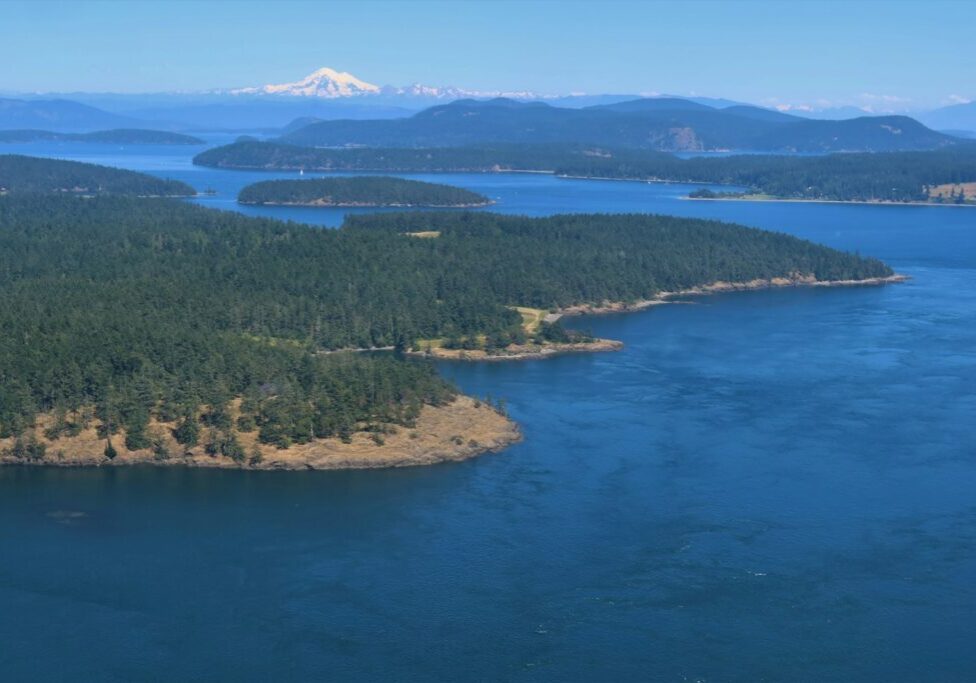
Few places in the Pacific Northwest carry as rich a maritime legacy as the San Juan Islands. From the earliest Coast Salish canoe routes to European explorers to the iconic schooners of the early 20th century, sailing in the San Juans connects you with stories of discovery, diplomacy, and endurance.
At Northwest Sailing Adventures, we embrace this layered history aboard our fully crewed sailing charters. You’ll sail through places that shaped regional identity—with every wave and landmark echoing the seafaring past that still inspires today’s voyages.
1. Coastal Indigenous Routes and Early Exploration
Long before European sails appeared on the horizon, the Coast Salish peoples paddled their dugout canoes among these islands. Their ancestral waters were rich with food and stories, guiding seasonal journeys through the Salish Sea. 48° North+12Marinalife+12Cruising World+12
Then in 1790–91, Spanish naval expeditions led by Francisco de Eliza and José María Narváez charted and named many of the islands—San Juan after Saint John the Baptist, Orcas for Viceroy Horcasitas, and Haro Strait after navigator de Haro. American Cruise Lines+2Marinalife+2Wikipedia+2
The following year, British Captain George Vancouver circumnavigated and mapped the area aboard HMS Chatham and Discovery, adding dozens of place names still used today. Cruising World+6Wikipedia+6Schooner Zodiac+6
2. The Pig War and the Creation of a Border
While the mapping of the islands felt academic, sovereignty became urgent in 1859 when the so-called “Pig War” erupted. A dispute over unclear boundary lines and a farmer shooting a trespassing pig escalated into a standoff between U.S. and British troops on San Juan Island. American Cruise Lines+3Condé Nast Traveler+3The Guide to the San Juan Islands+3
Both armies remained stationed but famously never fired a shot. The conflict was peacefully resolved in 1871 when Emperor Wilhelm I awarded the islands to the United States. Today, the peace remains—and so does the border passing through Haro Strait.
3. Steamships, Schooners, and Commercial Trade
At the turn of the 20th century, the Straits Steamship Company operated scheduled steamer service between Seattle and Friday Harbor, bringing passengers, freight, and island news. Wikipedia+2Condé Nast Traveler+2Marinalife+2Wikipedia
Meanwhile, sail-powered schooners like the Wawona hauled lumber and fish across Puget Sound. Built in 1897, Wawona served the region for nearly fifty years before retiring as a museum ship. She became a symbol of the working-class vessels that defined Pacific Northwest maritime heritage. Wikipedia

4. Lighthouses and Navigation Landmarks
Navigating these waters wasn’t always straightforward. Shipwrecks prompted the construction of several lighthouses, including the iconic Patos Island Light, commissioned in 1893 with fog signals added later. Wikipedia
Turn Point Lighthouse on Stuart Island and Lime Kiln Point on San Juan Island became critical aids for caravels and tankers alike—and today serve as historic reminders of the islands’ seafaring past.
5. Sailing Legacy Today
The San Juan Islands’ modern sailing culture grew from these layers of history. Small cruise operators, private yacht owners, and adventure charters like NW Sailing Adventures carry on the tradition—offering guests immersive experiences in the same waters once traversed by indigenous paddlers, explorers, and traders.
Each moment onboard reflects centuries of maritime heritage: anchoring quietly off rugged shores, reading historic maps, or sharing stories about past voyages.
What It Means to Sail Here
When you book a charter with NW Sailing Adventures:
- You’re sailing through pathways first mapped by European explorers.
- You may anchor near old forts or lighthouses that guided early vessels.
- You’re traveling on a yacht—a modern descendent of the schooners and steamers that plied these waters.
- You step lightly on islands once divided by invisible boundaries, now united by history and habitat.
Our crewed charter experience offers not just scenery, but context. We’ll share stories about the Pig War, lighthouse keepers, and even shipwrecks like the barge America that ran aground in fog near San Juan Island in 1914. Condé Nast Traveler+2Wikipedia+2Wikipedia+2historylink.org
Sailing Near History: How Our Charters Bring It to Life
Onboard Diminuendo, your journey blends comfort and discovery. As you glide through Haro Strait or anchor by Roche Harbor, every stop connects to a piece of history.
You might enjoy:
- Kayaking in a sheltered cove once scouted by explorers
- Walking the grounds of historic Roche Harbor or the Whale Museum in Friday Harbor
- Seeing orcas near Lime Kiln Lighthouse—built partly in response to a nearby wreck
- Listening to Captain Scott and First Mate Todd share stories over an evening meal
Learn more about sailing history and our cruise options here: https://nwsailing.com/san-juans-cruises/
Meet our crew and their local knowledge: https://nwsailing.com/san-juans-sailing-crew/
Why It Matters
We believe sailing is more than a scenic trip—it’s a journey through time. Exploring these islands connects you to early explorers, Coast Salish culture, boundary disputes, and the working vessels of decades past.
Understanding that history deepens your appreciation for the places you visit and the graceful motion of wind against sail. You’re not just a passenger—you’re part of a continuing story.
Ready to Sail Into History?
We’d love to share these stories with you firsthand. Each charter is custom-designed to include stops with meaning—whether it’s anchoring by a lighthouse, paddling through historic bays, or strolling a heritage dock.
If you’ve been thinking about a summer cruise but aren’t sure where to go, join us where sails and stories meet.
Book your charter or learn more: https://nwsailing.com/contact/